
Private Water Supply and Water Boreholes:
A Practical Guide for Commercial Use
Water used to be a straightforward utility. It arrived on demand, was used and paid for, and its availability was rarely questioned.
For many UK businesses, that’s no longer the case.
Costs have risen. Demand has increased. And in some locations, water supply is less predictable than it once was.
For water-reliant operations: from agriculture and manufacturing through to food production and leisure - water now sits much closer to the centre of performance. It affects output, quality and resilience.
As a result, more organisations are stepping back and asking a broader question: What is the right water supply strategy for this site?
TL;DR? Is a private water supply right for your site?
If you're considering a water borehole, dealing with rising water costs, or simply trying to understand what your options are, this guide will help you make sense of it all.
By the end of this article, you'll understand:
- Whether a borehole is likely to work on your site;
- How private water supplies differ depending on how the water will be used;
- The difference between wells and commercial boreholes;
- What licences and permissions may be required;
- How commercial boreholes are assessed, drilled and tested;
- What a water borehole is likely to cost;
- Why some projects succeed while others don't;
- Whether an existing borehole can be rehabilitated rather than replaced;
- And, most importantly, what the right next step is for your business.
No jargon. No overpromising. Just a practical guide to understanding what is genuinely achievable beneath your site.
Short on time? Send us your brief, your plans or even just your idea. We'll turn it into a practical, evidence-based route forward.
If you've decided to keep reading, the next question is simple: what does the right private water supply solution actually look like for your site? The answer isn't always a borehole. In practice, the most resilient and cost-effective approach depends on how much water you need, how you'll use it, and what your site can realistically support.
For some, that leads to a borehole. For others, it may involve rainwater harvesting, storage, or a combination of sources. The key is understanding what will work before committing to a solution.
At Drift, we drill and deliver commercial water borehole solutions for sites where supply matters - from farms and industrial operations through to food production and bottling.
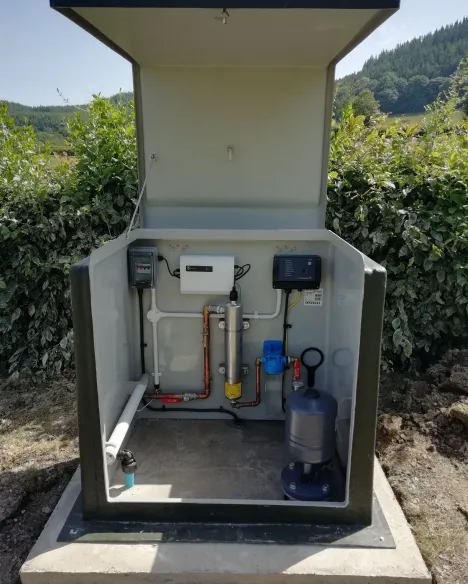
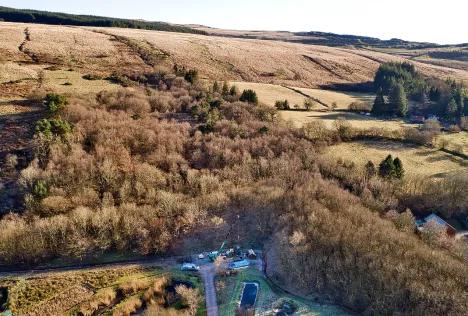

We work with organisations where water supply can’t fail:






Why Consider a Private Water Supply
Learn why businesses, farms and landowners are turning to private water supplies to secure reliable, independent access to water.
A private water supply gives you control over cost reliability and how your business responds to changing demand.
On some sites, a borehole provides a long-term, high-volume supply. On others, rainwater harvesting or stored supply may be more appropriate for non-potable use. In many cases, the right solution to your private supply needs is a combination, using different sources for different parts of your operations.
We’ve worked with:
- farms looking for non-potable supply for washdown and irrigation
- food production facilities requiring consistent, high-quality process water
- bottling operations where water quality defines the product itself
Each of those clients started with a different need - from simple on-site supply through to product-grade water - and that need drove the solution we delivered. In every case, success came from defining the requirement clearly and delivering a system to match.
Bring us your challenge. We'll engineer the right water solution.
Water Quality: What do you Actually Need?
Not all water needs to be drinking water. Understand how intended use determines the quality standards your supply must achieve.
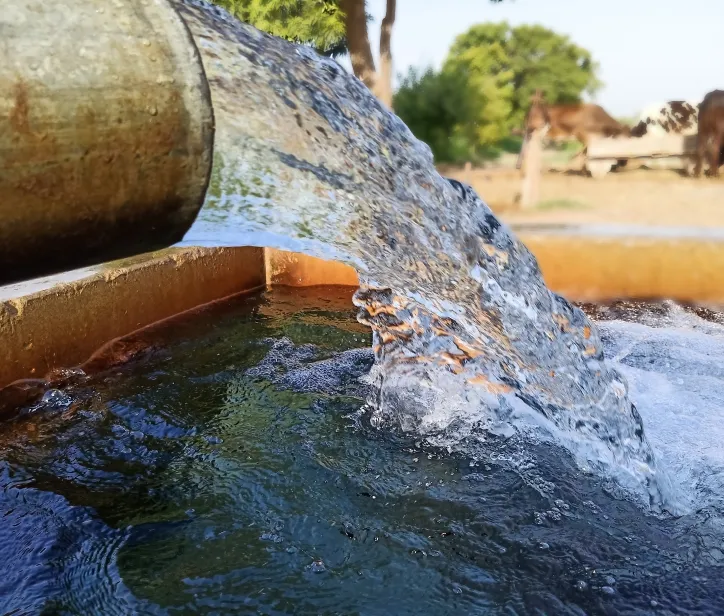
Not all water requirements are the same and this is often where early assumptions can cause problems. A farm may only need a reliable non-potable supply for yard washdown or irrigation. Water quality still matters, but the standard is very different from a food production environment.
A food manufacturer may require potable water that meets strict regulatory and hygiene standards. That introduces treatment, monitoring and compliance into the system design. A bottling plant goes further again. Here, water quality is not just a requirement, it’s the product. Consistency, mineral composition and long-term supply reliability all matter.
These differences shape everything:
- whether a borehole is appropriate
- how it’s designed and constructed
- what testing is required
- whether treatment systems are needed
- how the supply is monitored over time
We factor water quality in from the outset, so your private supply system is aligned with how your water will actually be used.
Water Wells vs Boreholes: What’s the Difference and Why It Matters
People often mean the same thing when they say 'well' or 'borehole' - but the distinction can reveal a lot about how water is sourced and managed.
The terms are often used interchangeably, but for commercial use the distinction matters. A traditional well is typically shallow and influenced by near-surface conditions. A borehole is engineered to reach deeper groundwater within an aquifer, constructed in a controlled way and tested to confirm performance.
At commercial scale, the question is not simply whether water exists below ground, but whether it can be accessed in a way that is consistent, sustainable and aligned with operational needs.
That’s why every serious project starts with a hydrogeological assessment to understand what is genuinely achievable beneath your site.
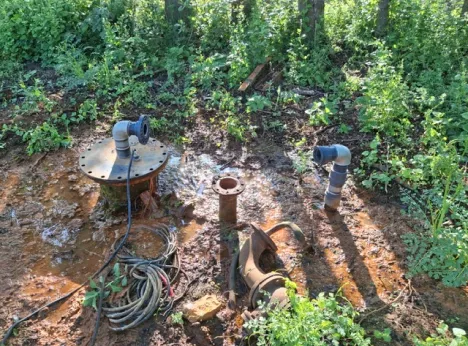
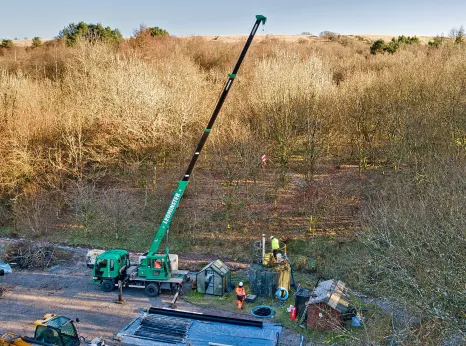

Can You Have a Water Borehole on Your Site?
Discover the geological, environmental and practical factors that determine whether a water borehole is viable on your site.
Before any decision is made about whether you can have a private supply on your site, our starting point is always the same. What does this site actually support?
That means understanding:
- ground conditions and aquifer behaviour
- likely yield and long-term performance
- water quality characteristics
- space, access and operational constraints
- how water will be used day to day
On a recent commercial project, what initially appeared to be a straightforward drilling location had to be adjusted due to buried services and access constraints. The borehole still worked but only because those factors were identified early and designed around.
This is where additional value sits. Not in choosing a solution too early, but in understanding what’s viable first. We will work with you, your site and your needs to determine the right private water supply solution.
The best place to start isn't with a drilling rig. It's with a conversation.
Send us your site details or tell us what you're trying to achieve, and we'll help you understand whether a private water supply is likely to work and what needs to happen next.
Water Abstraction and Private Water Supply Regulations Explained
Understand the licences, permissions and legal responsibilities associated with developing and operating a private water supply.
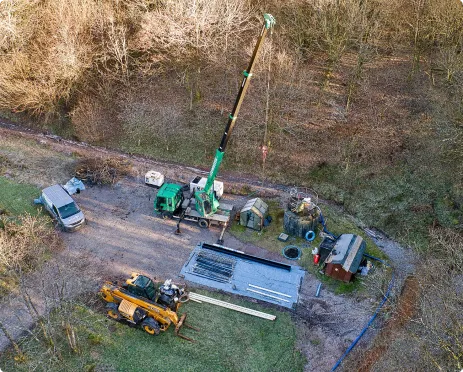
Groundwater is a regulated resource, and that regulation directly shapes how a system is developed and operated.
In England and Wales, abstraction above 20,000 litres per day requires a licence. In Scotland and Northern Ireland, the threshold is typically 10,000 litres.
For most commercial boreholes, licensing is part of the process. Licences define how a system operates - including volumes, monitoring and long-term conditions. There may also be requirements around investigation and testing before abstraction is approved.
Well-managed projects account for this from the outset. Rather than treating regulation as a final step, it’s built into the early stages so the system can operate within it, reliably and without restriction.
We support all clients through the entire licensing process, liaising with the Environment Agency and any other stakeholders to ensure the process is stress-free.
The ground has the answers. We'll help you ask the right questions.
Water Borehole Process:
From Feasibility to Operation
Understand each stage of developing a water borehole, from hydrogeological investigations and licensing to drilling and ongoing maintenance.
A borehole is not installed in a single step. It’s assessed, designed, constructed, tested and then managed as a working asset.
The process typically begins with a hydrogeological assessment to understand the ground, the aquifer and what level of yield is realistically achievable. That’s combined with site-specific constraints - access, services, programme and how the water will actually be used.
From there, a borehole design is developed. This defines depth, diameter, construction method and how the borehole will be completed to suit both the geology and the required output.
Permissions and consents are addressed in parallel, so that drilling and testing can proceed in a way that aligns with regulatory requirements from the outset. Only then does drilling begin.
The borehole is constructed using appropriate drilling methods for the ground conditions encountered, often requiring adjustments in real time as those conditions are confirmed.
Casing and screening are installed to stabilise the borehole and allow controlled abstraction from the aquifer.
Once drilled, the borehole is developed. This is a critical stage, where fines are removed, flow paths are established and the connection between the borehole and the aquifer is optimised. Without proper development, performance can be limited.
Testing follows: this typically includes step testing to understand how the borehole responds at different abstraction rates, and extended pump testing to confirm sustained yield over time. Water quality is sampled and analysed as part of this process, particularly where potable or process water is required.
The results of this testing determine how the system is completed - including pump selection, control systems and any treatment requirements.
Only once performance is proven does the borehole move into operation.
From that point, monitoring and maintenance ensure the system continues to perform as expected over the long term. For commercial users, this is where reliability is secured, not just at installation, but throughout the life of the asset.
Done properly, this process removes uncertainty stage by stage. By the time a system is operational, its behaviour is understood, its performance is proven, and it is set up to deliver consistently.
How Much Does a Water Borehole Cost?
Understanding both the initial investment and the potential operational savings can help you make an informed decision.
Costs vary - and they vary for good reason. Ground conditions, depth, yield requirements and site constraints all influence the outcome. Two sites that appear similar can produce very different results once drilling begins.
And what matters is not just cost, but value. For many businesses, the driver is long-term control - reducing reliance on mains supply, stabilising costs, and ensuring operational resilience.
That’s why cost is best assessed alongside feasibility, performance and lifespan. As a guide, a commercial borehole project can typically range from around £60,000 to £250,000+, depending on depth, geology, yield requirements and site constraints. We can then help you understand how that investment translates over time - including when your system is likely to reach cost neutrality and begin delivering savings.
Looking for numbers you can build a business case around?
Send us your site details and anticipated water use, and we'll help you understand likely project costs, potential savings and when a private water supply could begin delivering a return on investment.
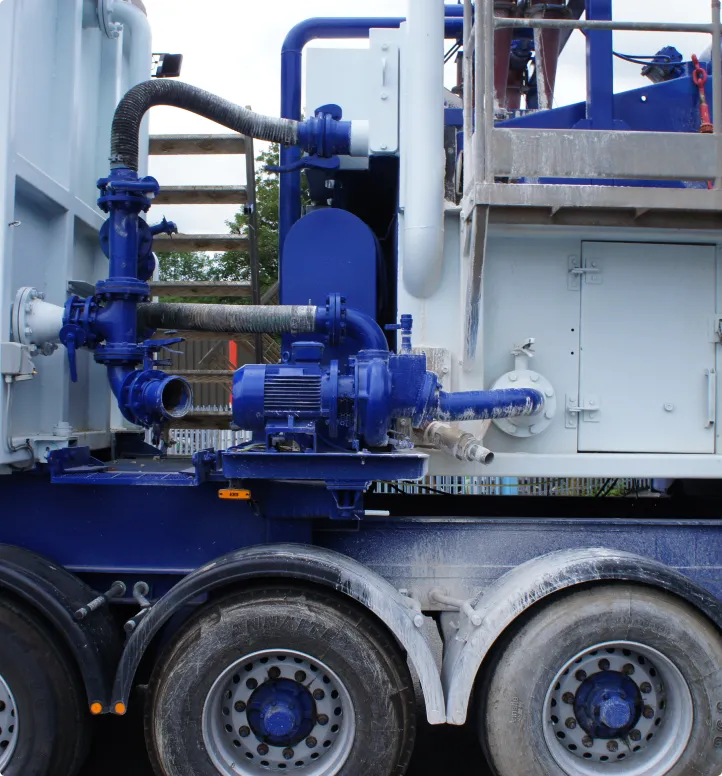
Water Borehole Drilling Success
Learn how hydrogeological assessments, experienced drilling teams and robust testing contribute to water borehole success.
Successful private supply projects start with a clear understanding of what a site can actually support in terms of yield, water quality and long-term operation.
That understanding is built early, through proper assessment, realistic design and a delivery approach that reflects how the site will be used day to day.
From there, success is about alignment:
- Aligning borehole location with ground conditions and site constraints.
- Aligning testing with how the system will actually operate.
- Aligning water quality with its intended use - whether that’s non-potable supply, process water or product-grade output.
On live sites, that often means making practical decisions as more is learned, e.g., adjusting drilling approach, refining testing strategy, or adapting the system design to suit what the ground is actually doing, not what was assumed.
In practice, success is not complicated. It comes from understanding the requirement clearly, building the system around it, and delivering it in a way that reflects real conditions on site.
Every successful water borehole starts with understanding the ground.
Water Borehole Rehabilitation and Maintenance
Protect your investment by understanding the maintenance activities that keep boreholes operating efficiently and reliably.
Do you already have an existing borehole that’s not performing as it should or once used to? In many cases, that doesn’t mean starting again. It means understanding what’s changed - and restoring performance properly.
We work on existing boreholes regularly, including bringing older assets back into operation for commercial sites where supply is critical. On a recent project for a UK bottling plant, the objective was to restore a reliable supply ahead of peak demand - hopefully without the time and cost of drilling a new borehole.
The old borehole was cleaned, re-developed and test pumped to confirm performance under operating conditions. What appeared to be a legacy issue was resolved into a dependable, working asset again.
A borehole that appears to be underperforming can frequently be improved through:
- cleaning and redevelopment to restore yield
- pump testing to understand real performance
- upgrades to pumping equipment and controls
- targeted interventions to address blockages or inefficiencies
In practical terms, rehabilitation is typically a fraction of the cost of a new borehole and can extend the working life of an asset significantly.
We also support long-term maintenance for commercial sites where water supply is critical. Some of the boreholes we look after today date back decades. With the right approach, they continue to deliver reliably because they are understood, monitored and maintained properly.
An existing borehole is not a fixed outcome. It’s an asset that can be improved, optimised and managed to perform.
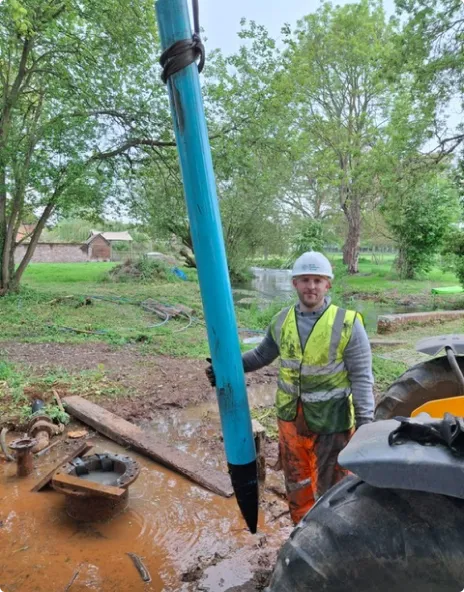
Where to start
Every successful borehole project begins with understanding your objectives, your site and the opportunities available to you.
Water shouldn’t be a constant worry.
If you’re dealing with rising costs, unreliable supply, or increasing demand, it’s worth understanding what your site can support and whether a water borehole will work for you - not in theory, but in practice.
We’ll look at your ground conditions, likely yield, water quality, and the realities of licensing and operation. Then we’ll give you a clear view of what’s workable, what isn’t, and what it would take to get there.
No assumptions. No overpromising. Just a straight answer based on your site and your needs.
Book a feasibility discussion, or send us what you have - your requirements, early thinking, or existing borehole plans. We’ll translate it into a practical route forward you can act on.
Book a feasibility discussion
or send us what you have - your requirements, early thinking, or existing borehole plans. We’ll translate it into a practical route forward you can act on.
FAQ
- Do I need a licence for a borehole?
Yes, if you abstract more than 20,000 litres per day in England and Wales (typically 10,000 in Scotland and Northern Ireland). Most commercial boreholes require a licence.
- Can borehole water be used for drinking?
Yes - but it depends on water quality. Some boreholes provide potable water naturally, while others require treatment to meet drinking water standards.
- Is a borehole suitable for irrigation or farm use?
Often, yes. Many agricultural sites use boreholes for non-potable supply such as irrigation or washdown, where treatment requirements are lower.
- Can I use rainwater instead of a borehole?
In some cases, yes. Rainwater harvesting can work well for non-potable uses, particularly where storage is viable. Some sites use a combination of rainwater and borehole supply. This can work well on estates, golf courses etc.
- We've had a borehole drilled before and it didn't work. Why would this project be any different?
Not all "failed" boreholes fail for the same reasons.
Sometimes the geology simply cannot support the quantity of water required. In other cases, boreholes have been drilled without a clear understanding of the site's hydrogeology, the intended demand or the long-term operational requirements of the business. We've also encountered situations where a perfectly viable borehole was underdeveloped, poorly designed or never properly tested.
That is why we place such emphasis on understanding the bigger picture before a rig ever arrives on site.
We look at what the water is needed for, how much is required, local geological conditions, historic borehole information and the practical realities of operating the system over many years. Where appropriate, we work with specialist hydrogeologists to assess the likelihood of success and identify potential risks at an early stage.
Can anyone guarantee that a new borehole will succeed? No. Groundwater is a natural resource and there are always uncertainties beneath the surface.
What we can promise is an honest assessment of what is likely to be achievable, clear communication throughout the process and an approach built on decades of groundwater experience.
Sometimes that means recommending a borehole. Occasionally, it means advising against one. Either way, our priority is helping you make an informed decision before unnecessary time or money is spent.
- What’s the first step to getting a private water supply?
A hydrogeological assessment to understand ground conditions, water availability and likely performance before any drilling takes place.